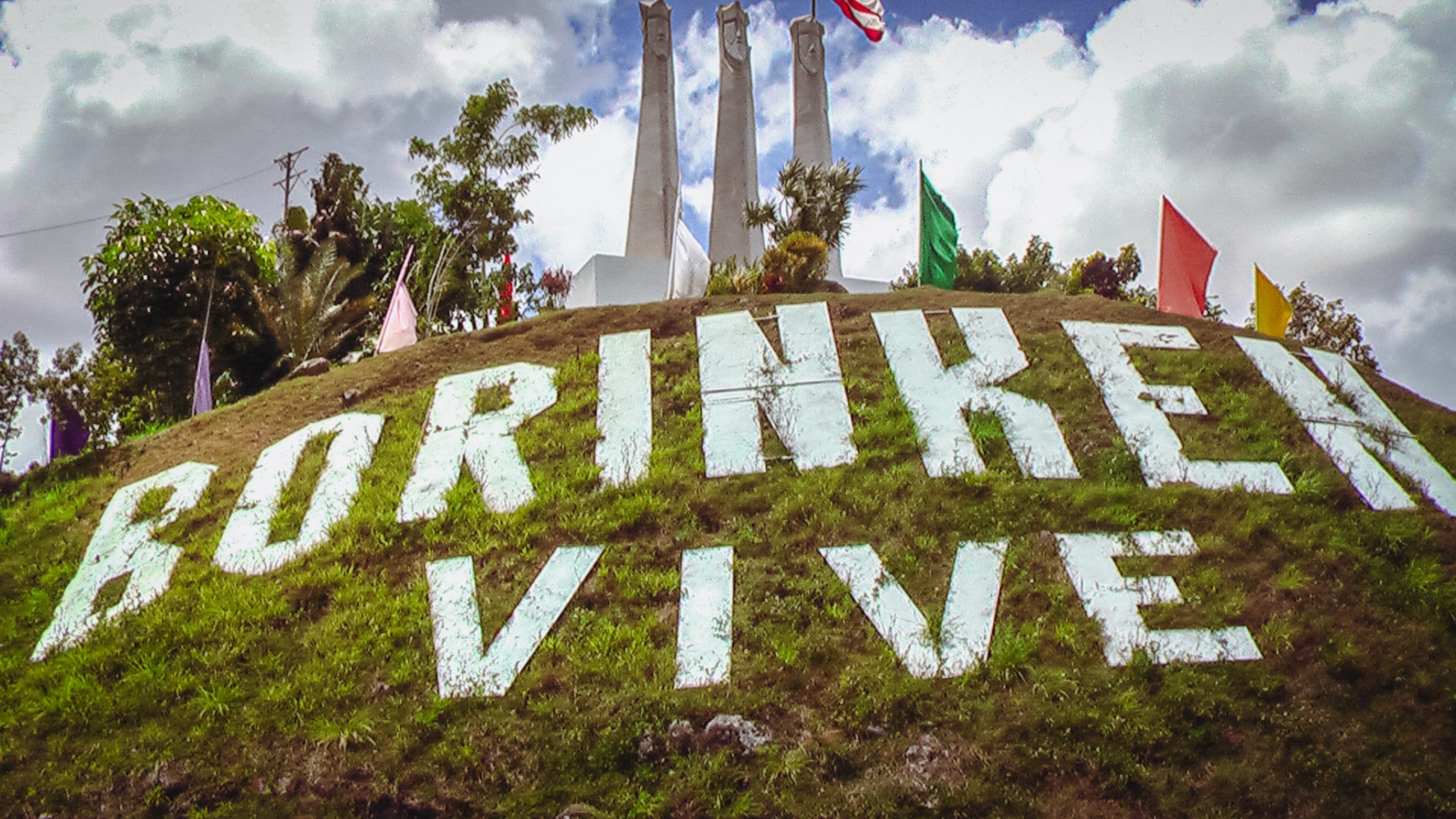
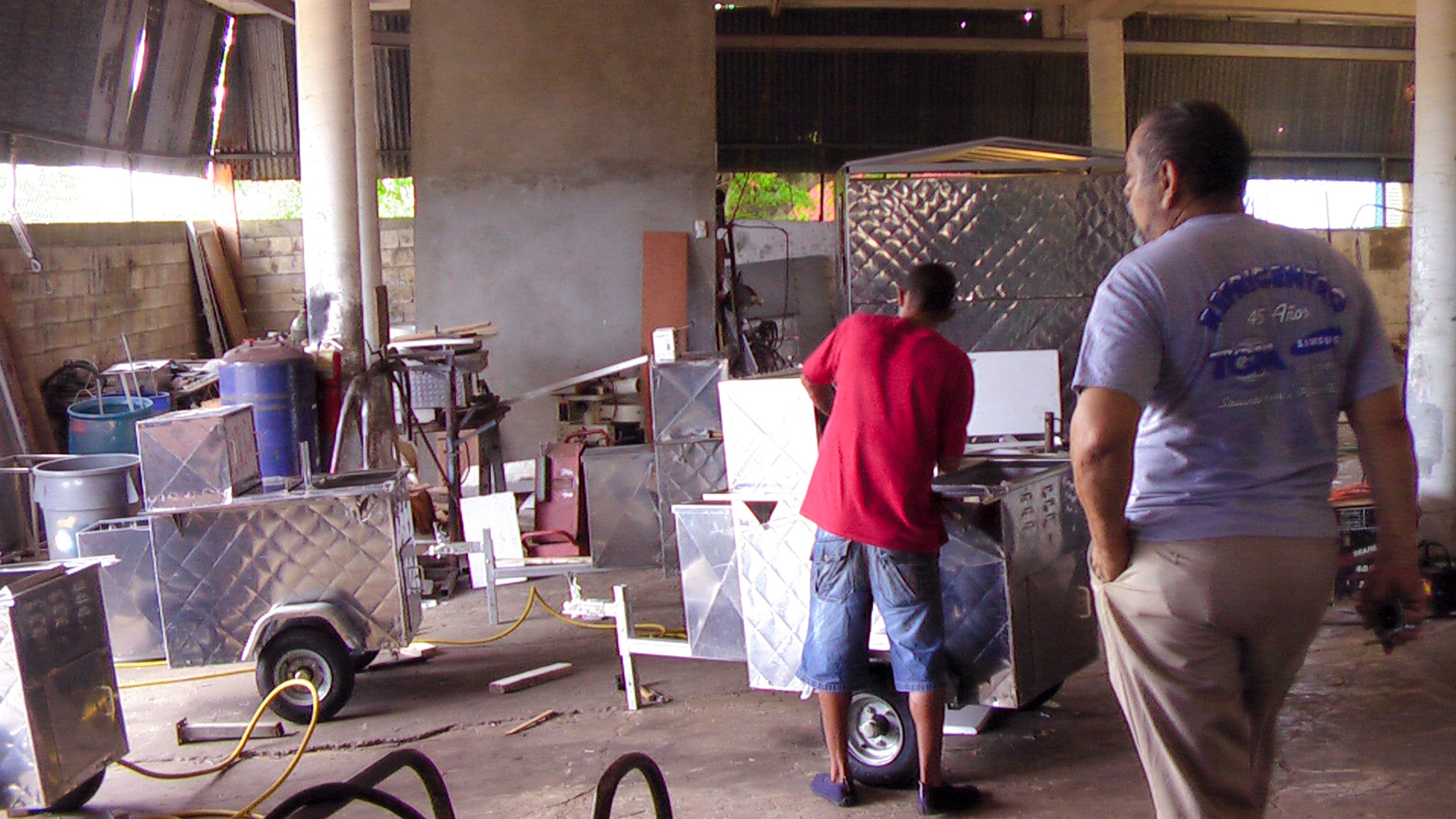
My junior year of college, I lived on the 17th floor of Torre Norte at the University of Puerto Rico, the kind of building where the wind made it impossible to forget you were on a Caribbean island during hurricane season. I was there on a study abroad program, a queer, androgynous kid trying to understand where I fit, spending long afternoons editing footage for a documentary about my grandfather’s hot dog cart factory in Santurce.
That was the year Daddy Yankee’s “Gasolina” took hold. The song moved across Puerto Rico and beyond with a force that felt impossible to contain. A rhythmic hurricane that moved everything in spirals. I heard it in Bridgewater, where I was studying communications, and then again outside my dorm in Río Piedras.
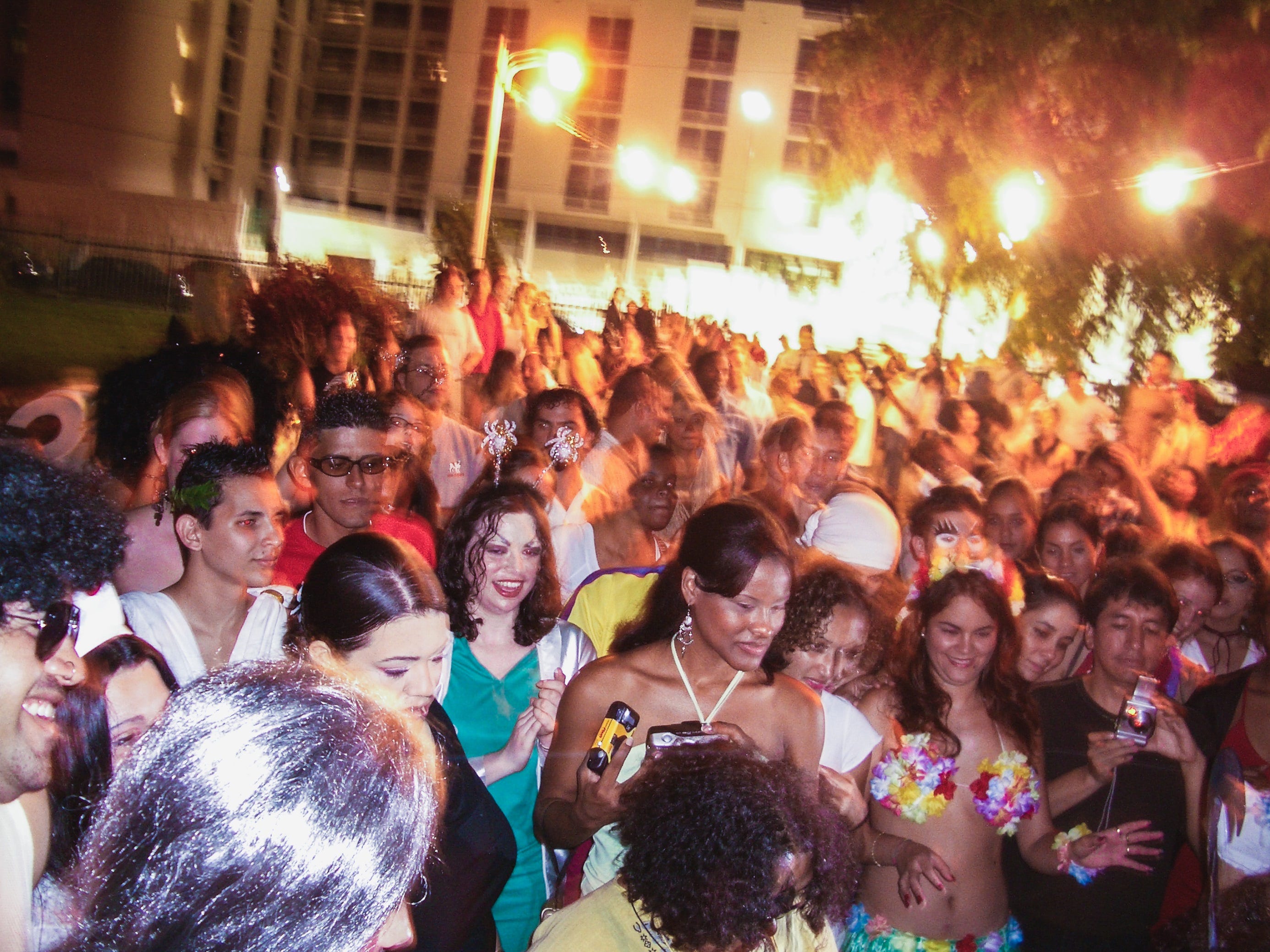
Between late-night editing sessions, I drifted toward Paseo de Diego, into gatherings that formed without the need for social media announcements. Someone would pull up in a souped-up Honda Civic, speakers blaring. The intensity of Tego Calderón, Don Omar, and Ivy Queen carried through humid nights near La IUPI, as circles formed and dissolved, bodies enmeshed, moving to that unmistakable rhythm. The parties sometimes ended as quickly as they began, shut down by uniformed officers carrying rifles and patrolling the placitas.
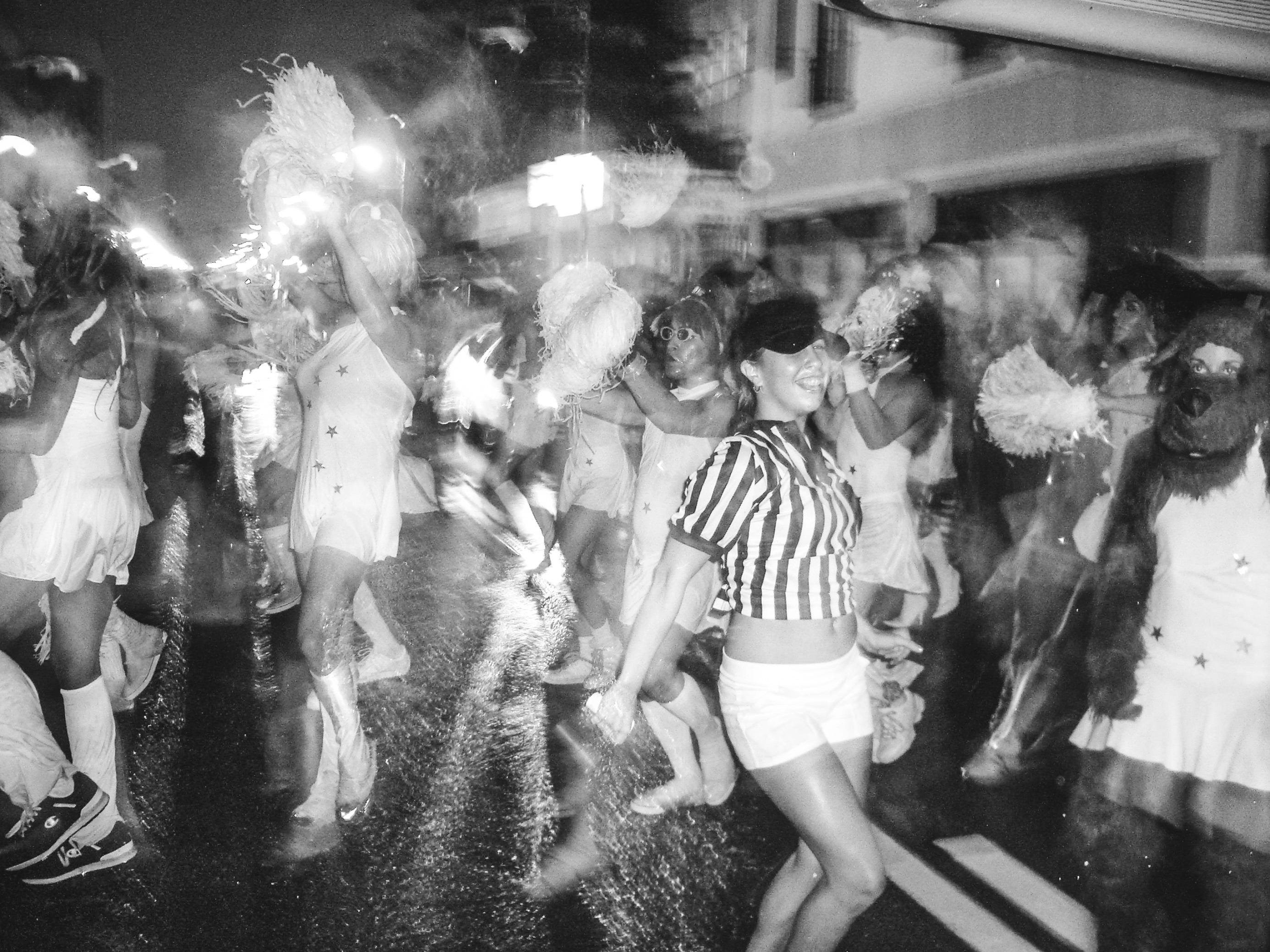
Twenty years later, I find myself returning to memories of those nights with new language, new frameworks, and better questions. Back then, I only knew how it felt to be there, in motion, surrounded by music born in caserios, sensing that something important was happening and wanting to take in as much of it as possible.
Now, through artists like Bad Bunny and the scholarship that has grown around his work, I can see more clearly what we were part of: a youth culture finding its voice, pushing back in creative and visible ways, and making space for itself in real time.
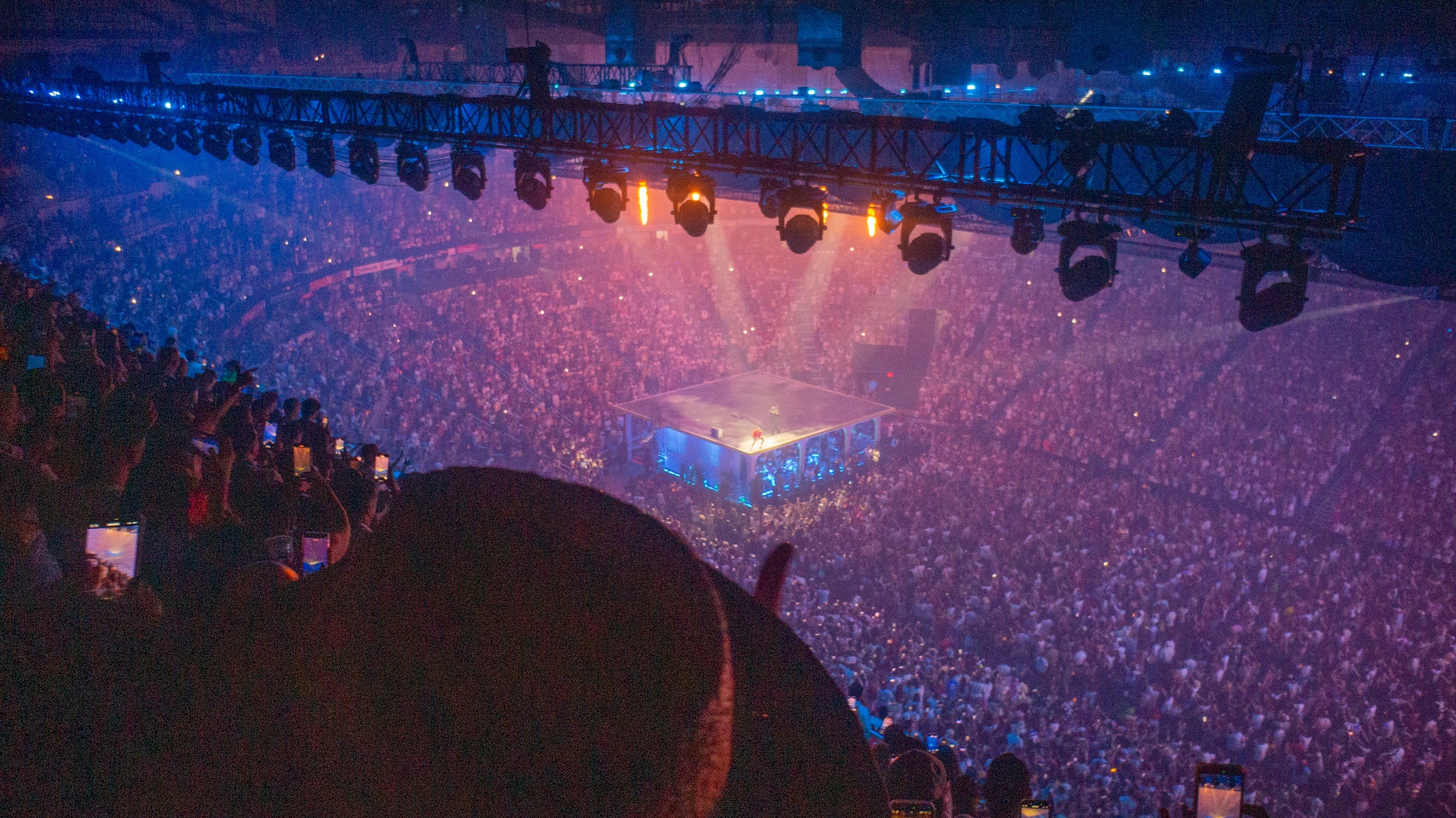
After attending Bad Bunny’s Debí Tirar Más Fotos residency concert in Puerto Rico last August, something in me resurfaced. Boricua memory manifesting present-day creative resistance. I left the island feeling like I had been handed a kind of syllabus, a map where time and history were folded into the music, asking me to pay closer attention to its design.
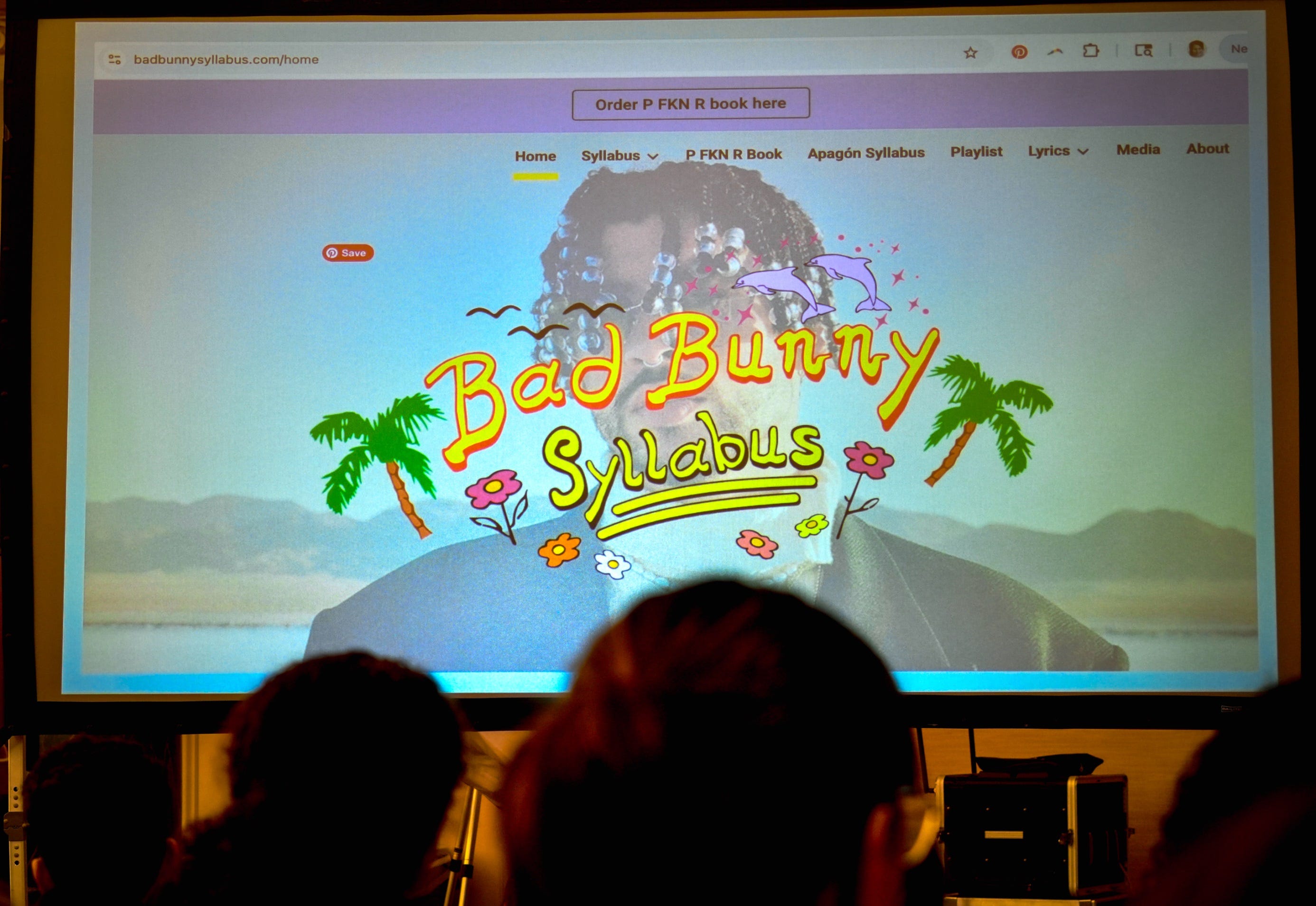
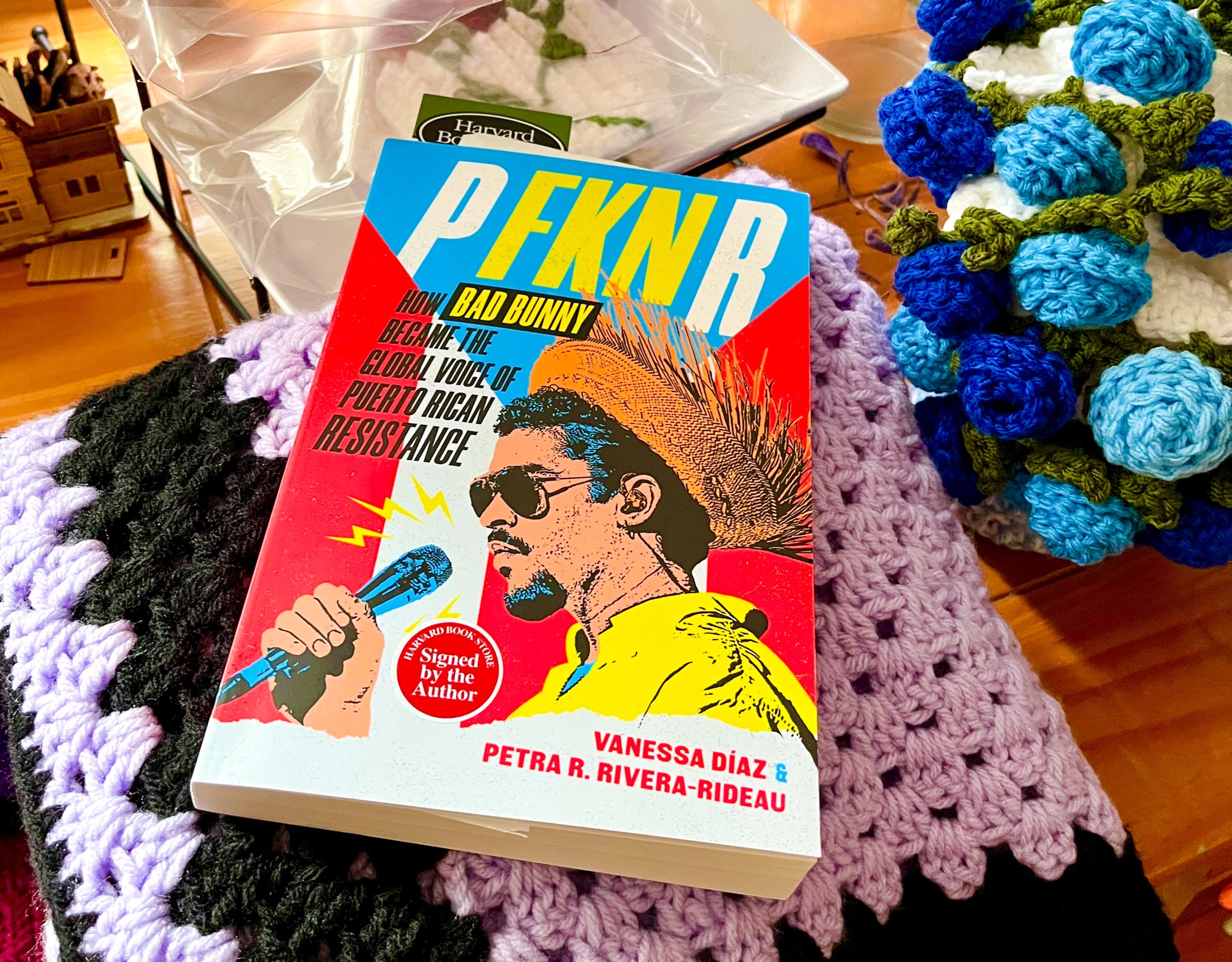
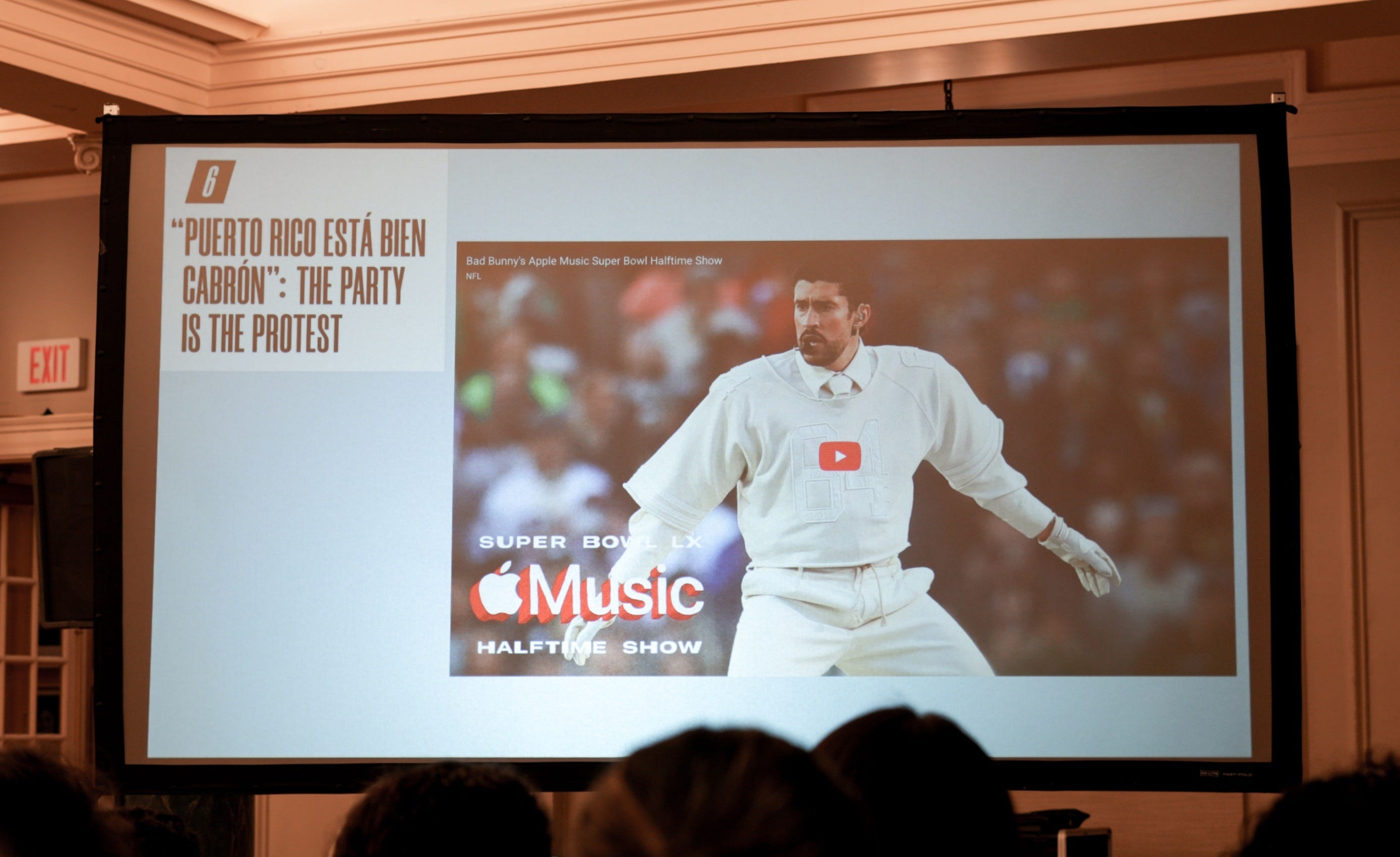
That map set off a learning quest that led me this past Women’s History month to a book launch celebration at Wellesley College, where professors Vanessa Díaz and Petra Rivera-Rideau presented their new book PFKNR: How Bad Bunny Became the Global Voice of Puerto Rican Resistance.
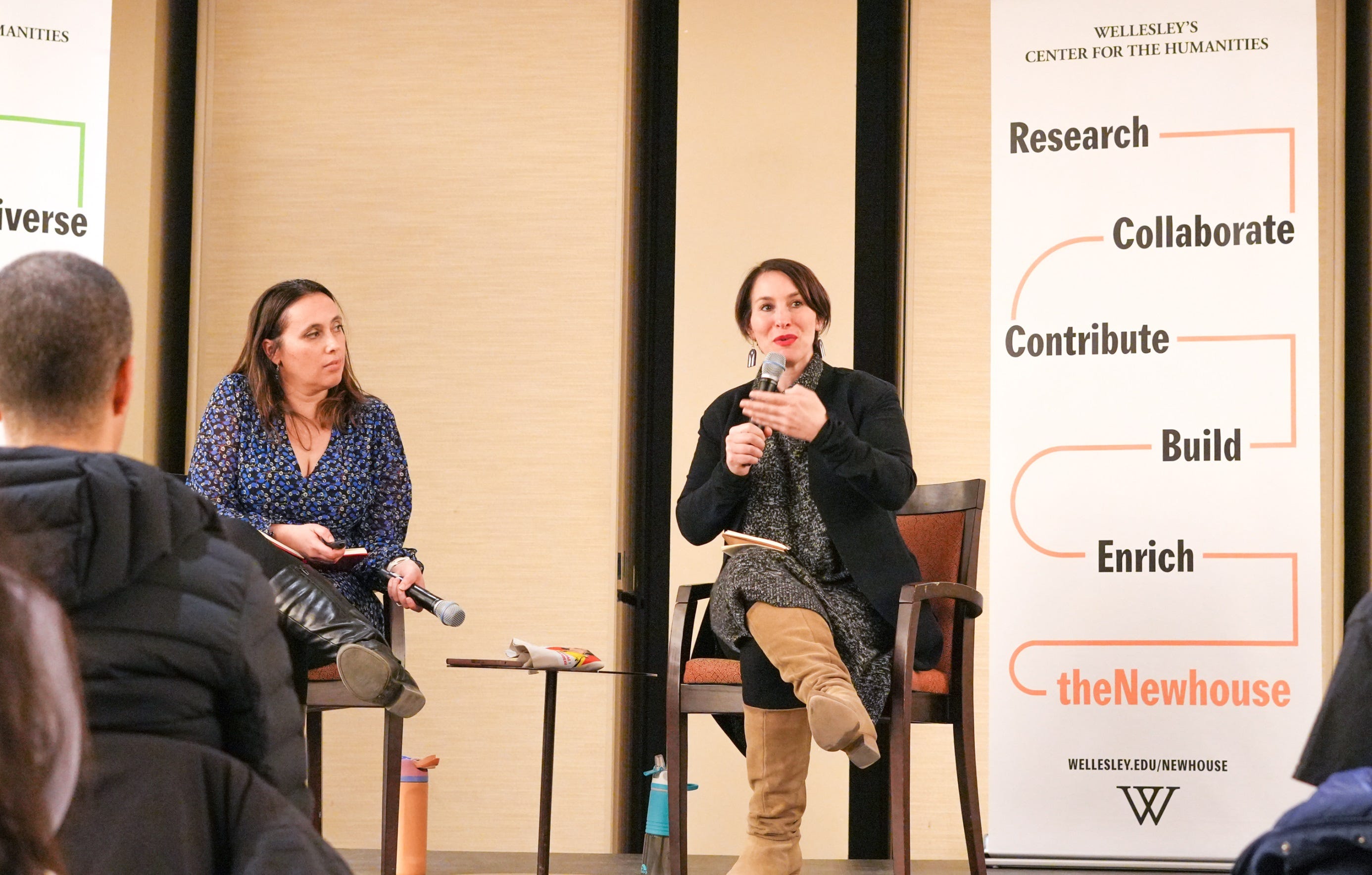
The book grew out of student inquiry. Wellesley, one of the first institutions to offer a course on Bad Bunny, drew students who approached his work with seriousness and curiosity, pushing their professor to take a closer look.
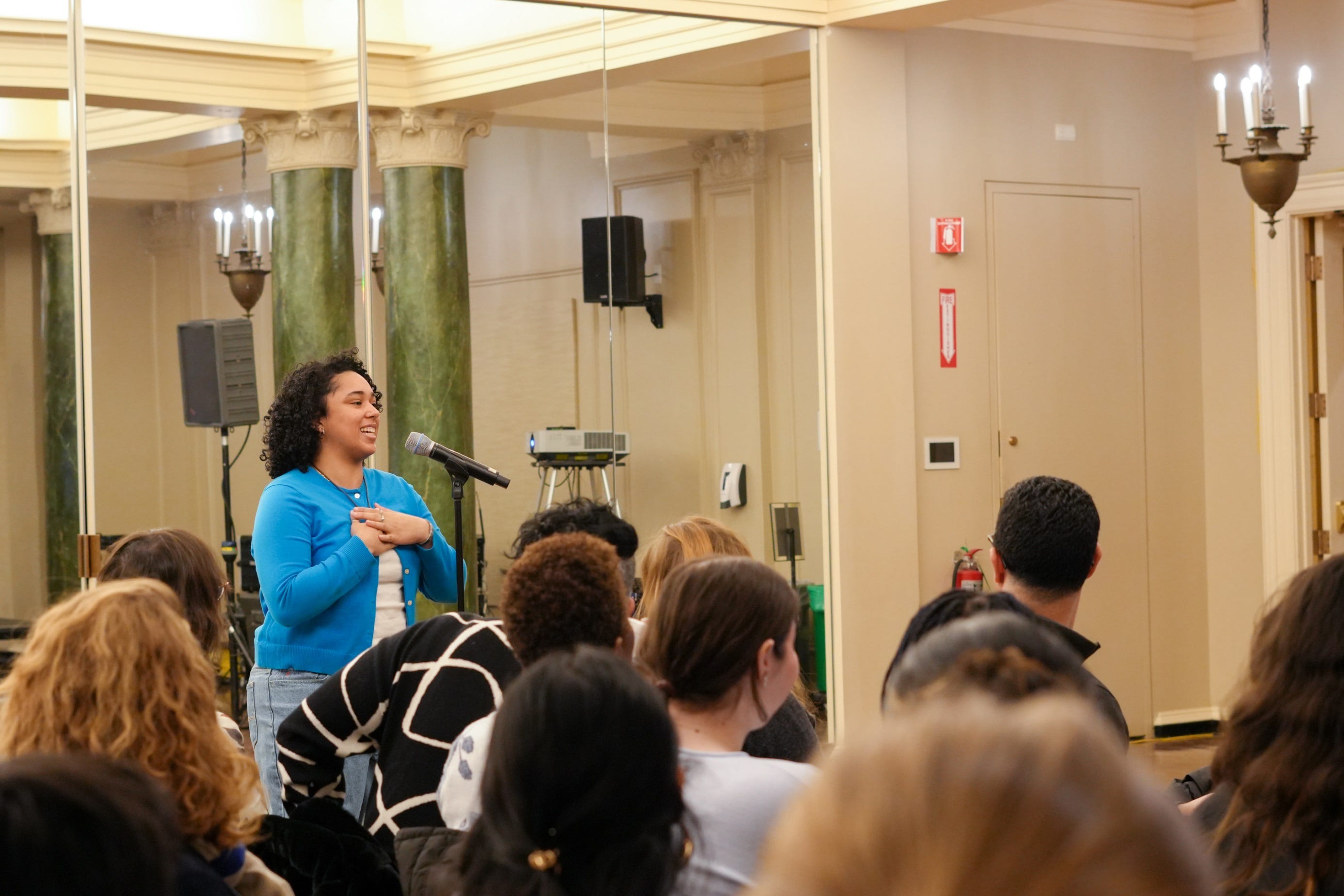
“My students kept writing papers about Bad Bunny, and I thought, I should look into this,” Rivera-Rideau shared during the panel. That curiosity became thorough research, and eventually a collaborative project that places Bad Bunny’s artistry within Puerto Rico’s broader political and cultural history.
Two chapters, in particular, stayed with me.
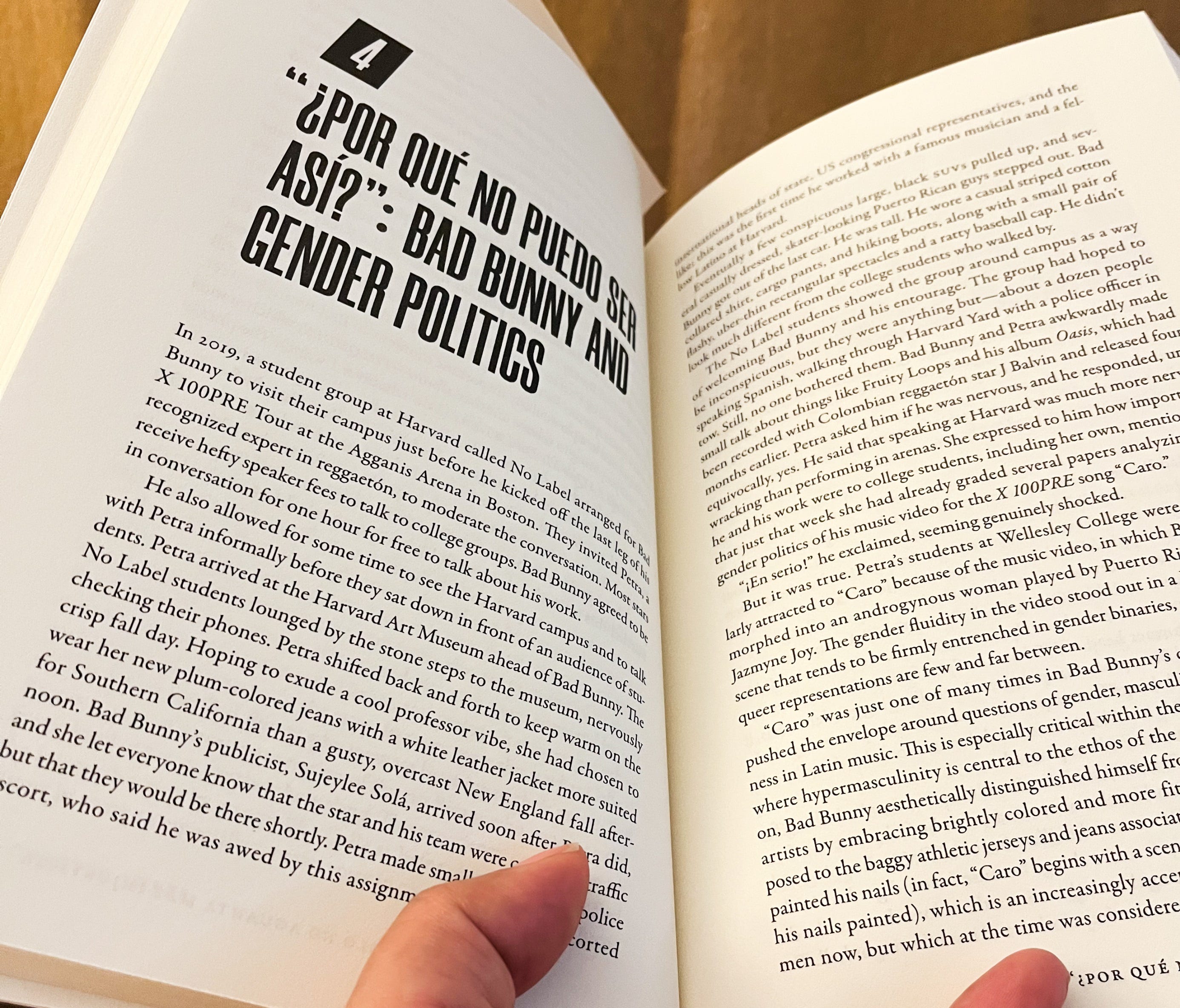
Chapter 4, ¿Por qué no puedo ser así?: Bad Bunny and Gender Politics, gave me language for something I had felt but couldn’t explain. In those nights around Río Piedras, I moved through spaces where gender seemed fixed on the surface but was shifting underneath, and I didn’t yet have the words for it. As a young documentarian focused on my family’s history in Puerto Rico, I knew I was witnessing something meaningful taking shape in the culture.
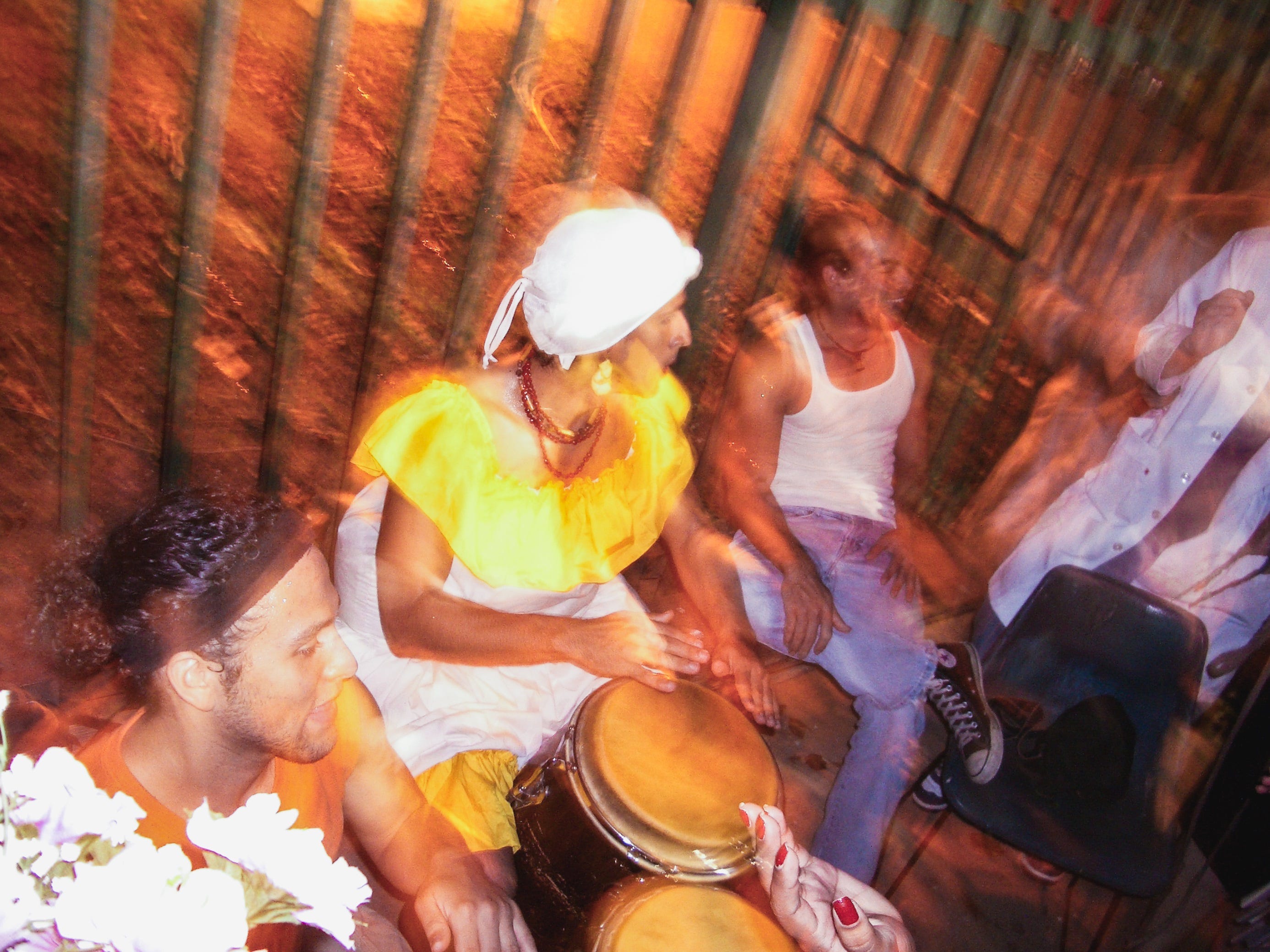
There were moments that hinted at new possibilities. Ivy Queen holding the crowd with pure presence and authority. Men allowing softness into their movement when they thought no one was watching. Brief departures that suggested something more fluid, more expansive.
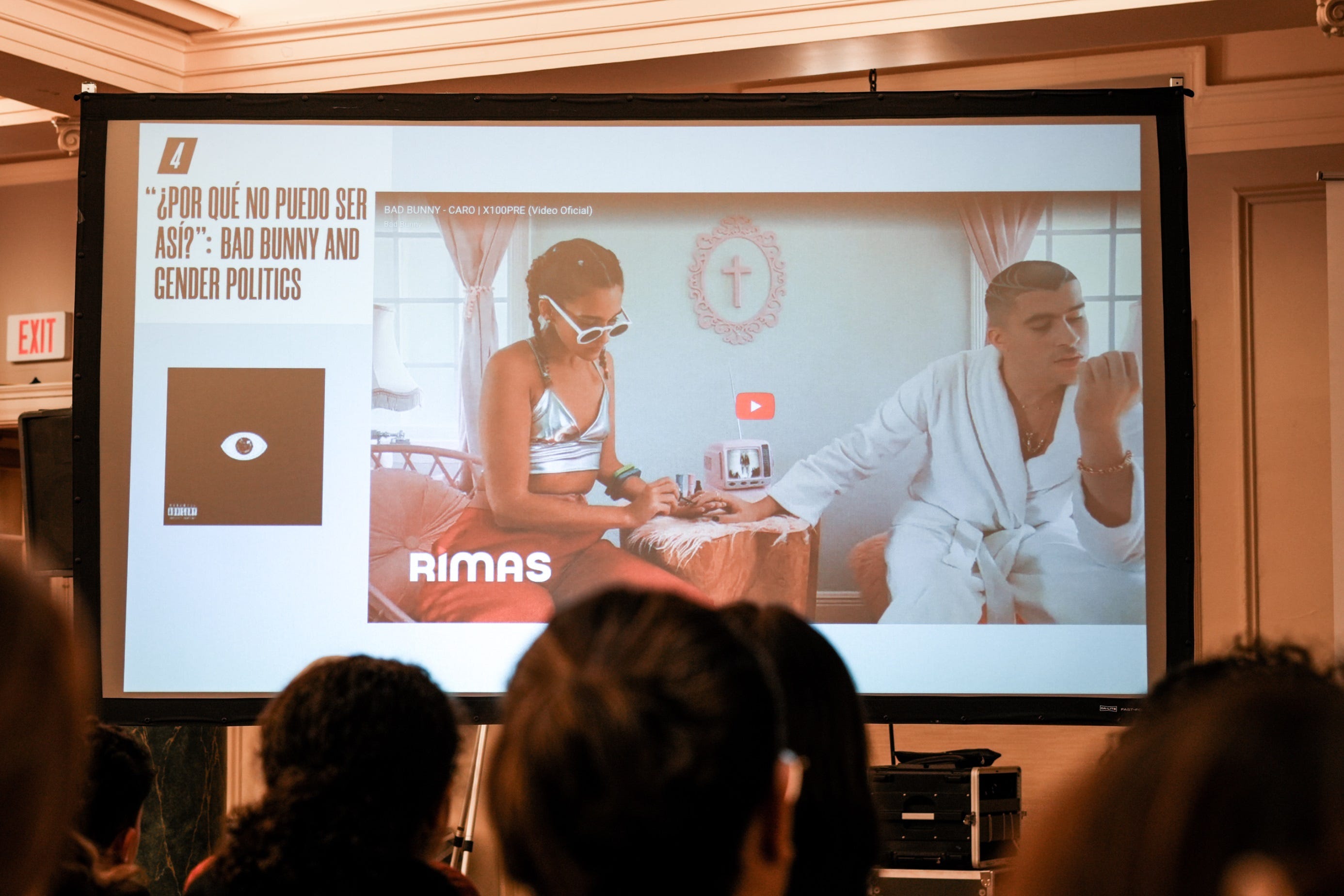
Bad Bunny builds on that lineage. His presentation unsettles fixed ideas about masculinity. The chapter situates his choices within a longer history of gender negotiation in Puerto Rican culture. Reading it, I saw my younger self more clearly. I was not outside those shifts. I was in a budding movement as it unfolded, encountering it early, before I could recognize its shape or my place within it.
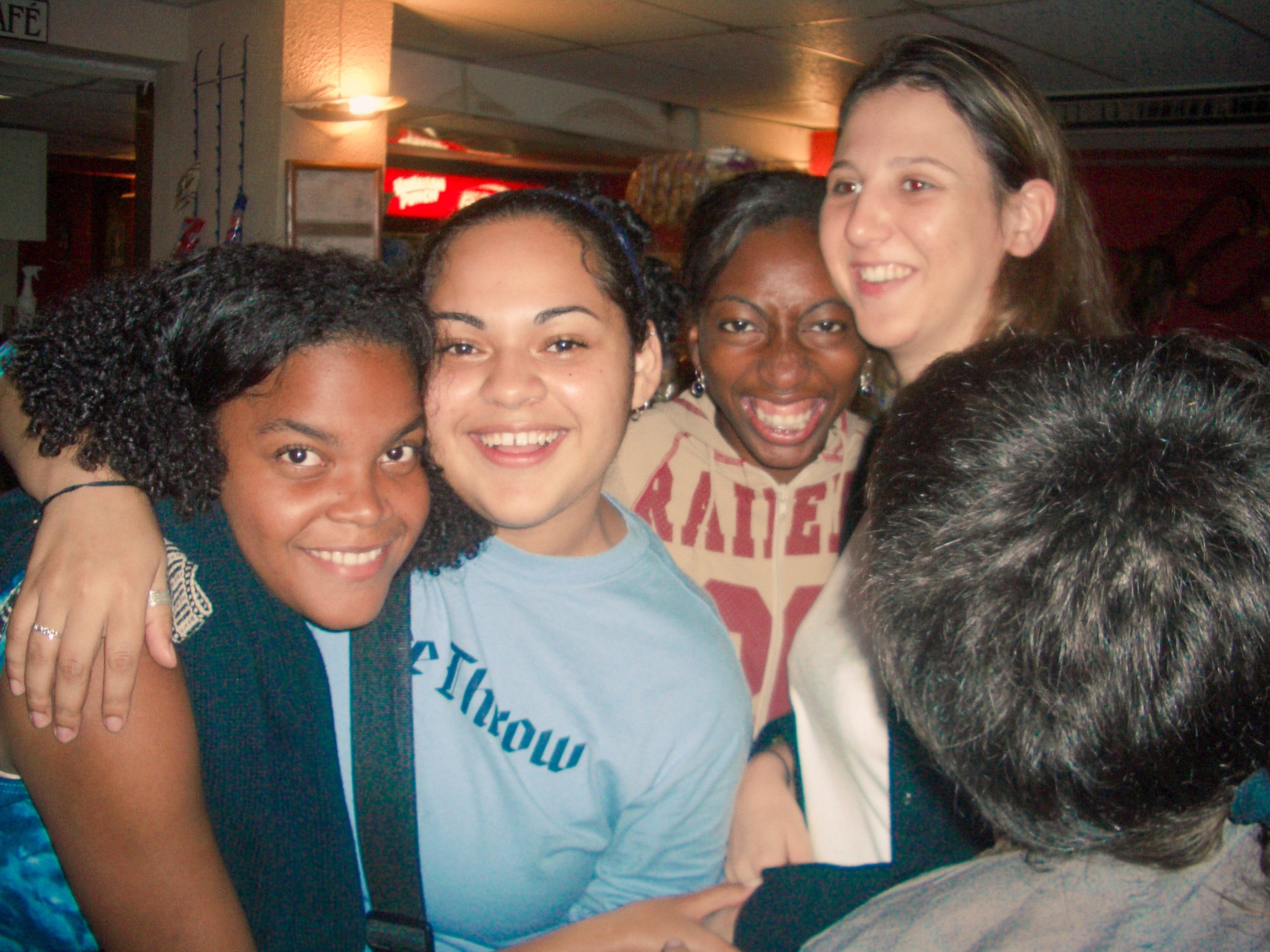
Chapter 7, Singing in Non-English: Bad Bunny Lost in Translation, returns to questions of language and recognition. Even at the height of his global reach, Bad Bunny is still framed by U.S. media as outside the norm, with his Spanish positioned as secondary to English. The book points to a telling moment during the Grammy Awards broadcast on CBS, where closed captions during his opening performance and acceptance speech read “[SINGING IN NON-ENGLISH]” and “[SPEAKING NON-ENGLISH].”
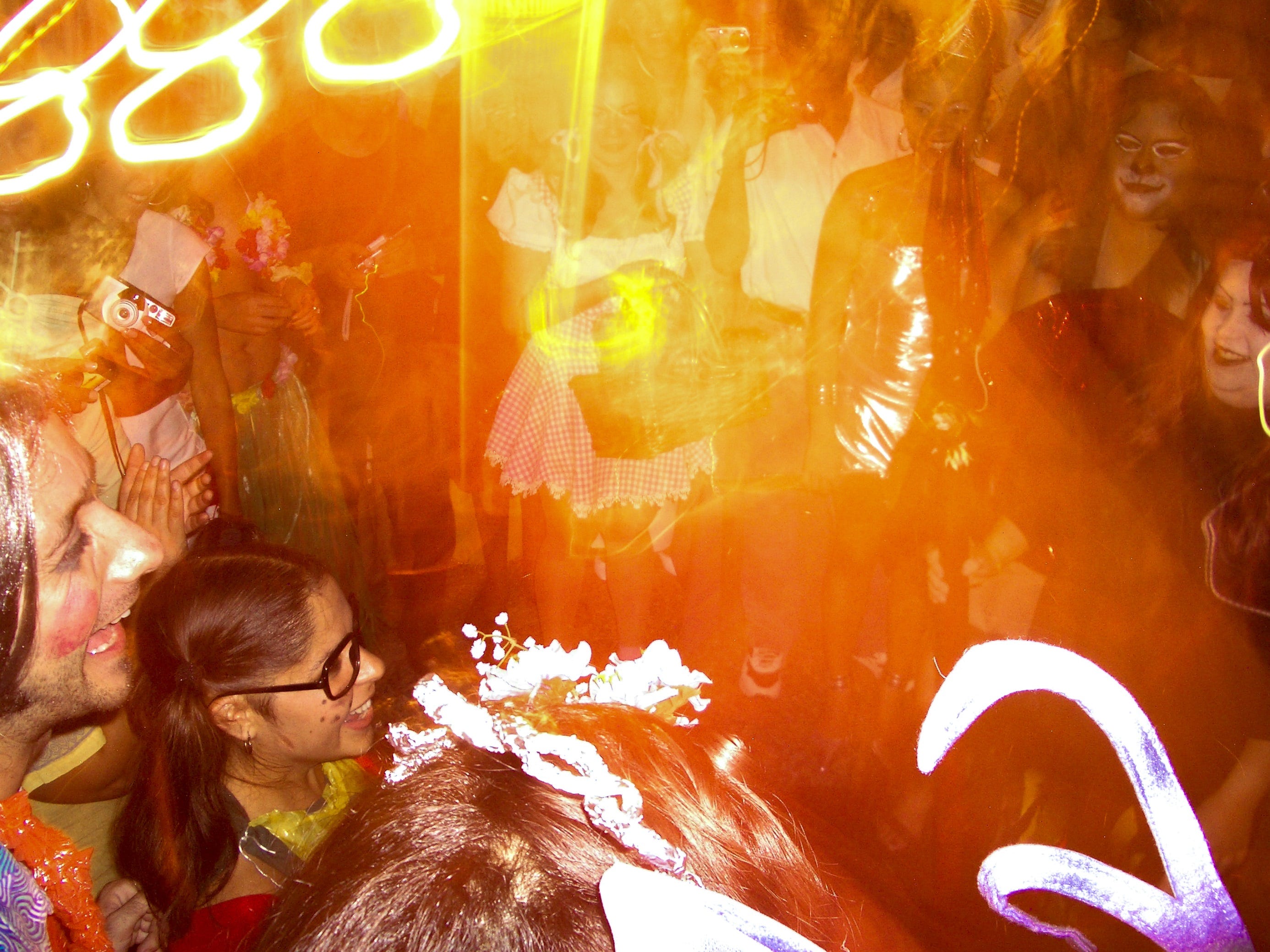
Instead of translating his words, the captions reduced them to a vague category of “other,” reinforcing the idea that Spanish exists outside the default. Spanish-speaking viewers understood exactly what Benito was expressing, while English-speaking audiences were left without access to the full message he shared, a message rooted in pride, cultural presence, and an insistence on being heard on his own terms.
I thought about how Spanish felt when I lived in Puerto Rico. It moved easily, carrying everything without strain. Desire, humor, anger, love, history. Back in the U.S., that same language often feels compressed, misheard, reshaped to fit expectations that were never built for it.
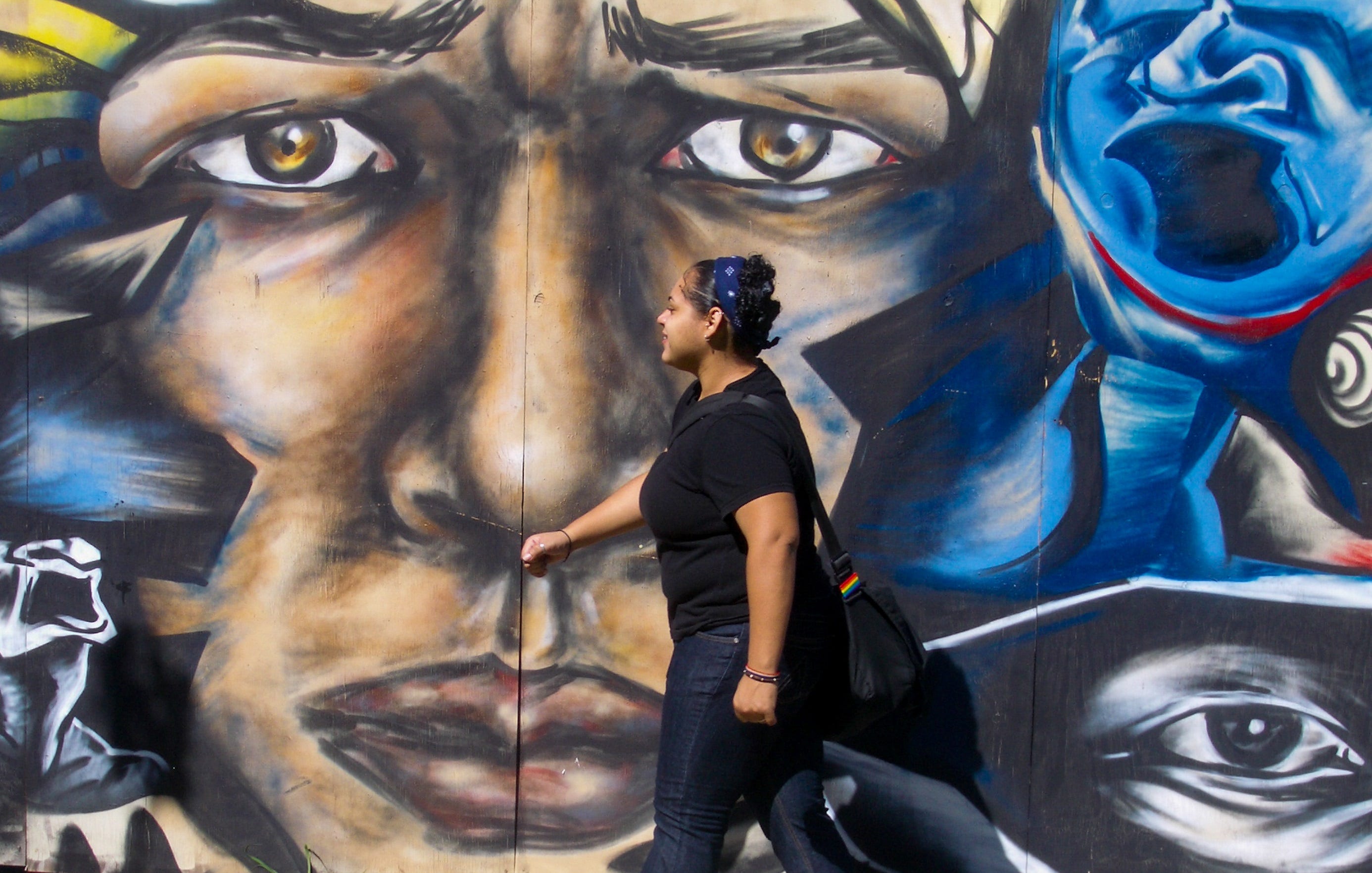
At the Wellesley event, as the panel came to a close, I found myself replaying those days in Río Piedras. Back then, most of us weren’t thinking about documentation, analysis, or even the nuances of language. We were in it, surrounded by music, art, style, wordplay, and identity taking shape in real time.
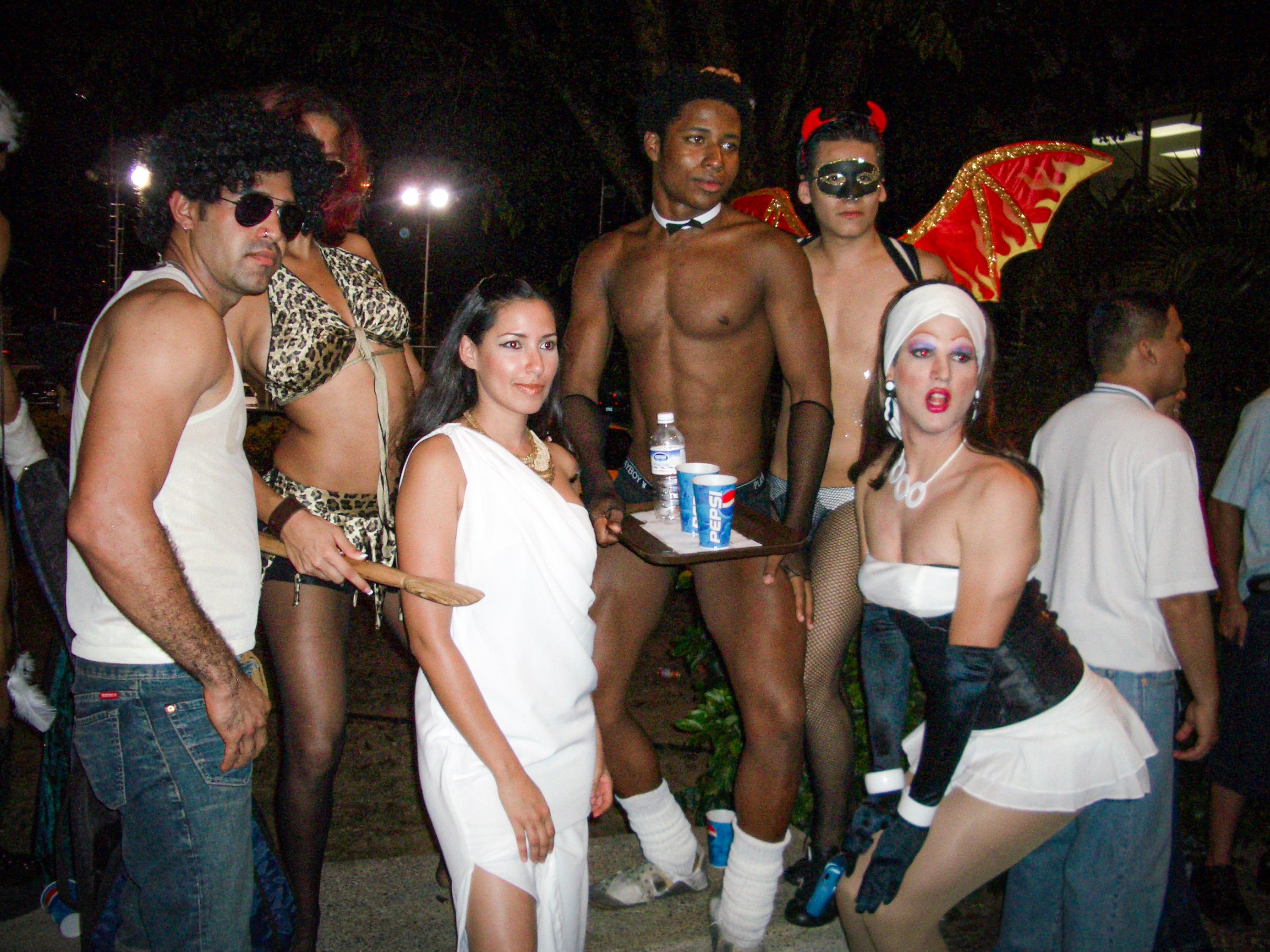
There was a clear defiance of respectability politics in how young people, especially queer young people, showed up and moved through public space together. What stays with me most is the pulsing energy between us, and the sense that something was already shifting in response to what we brought into those spaces.
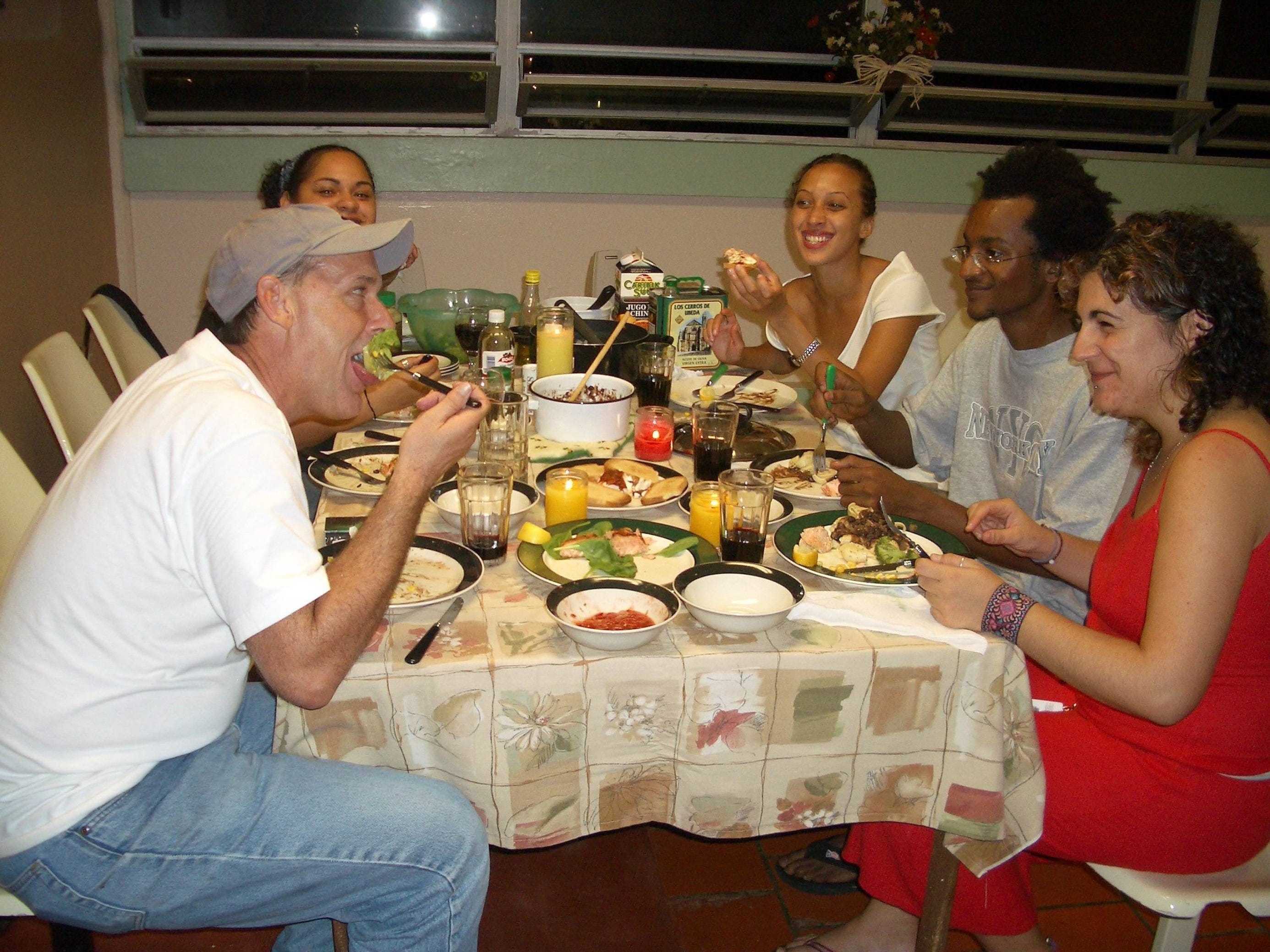
Returning to those undergraduate months at the University of Puerto Rico with more context and clarity has become part of what I playfully think of as my Bad Bunny Learning Quest.
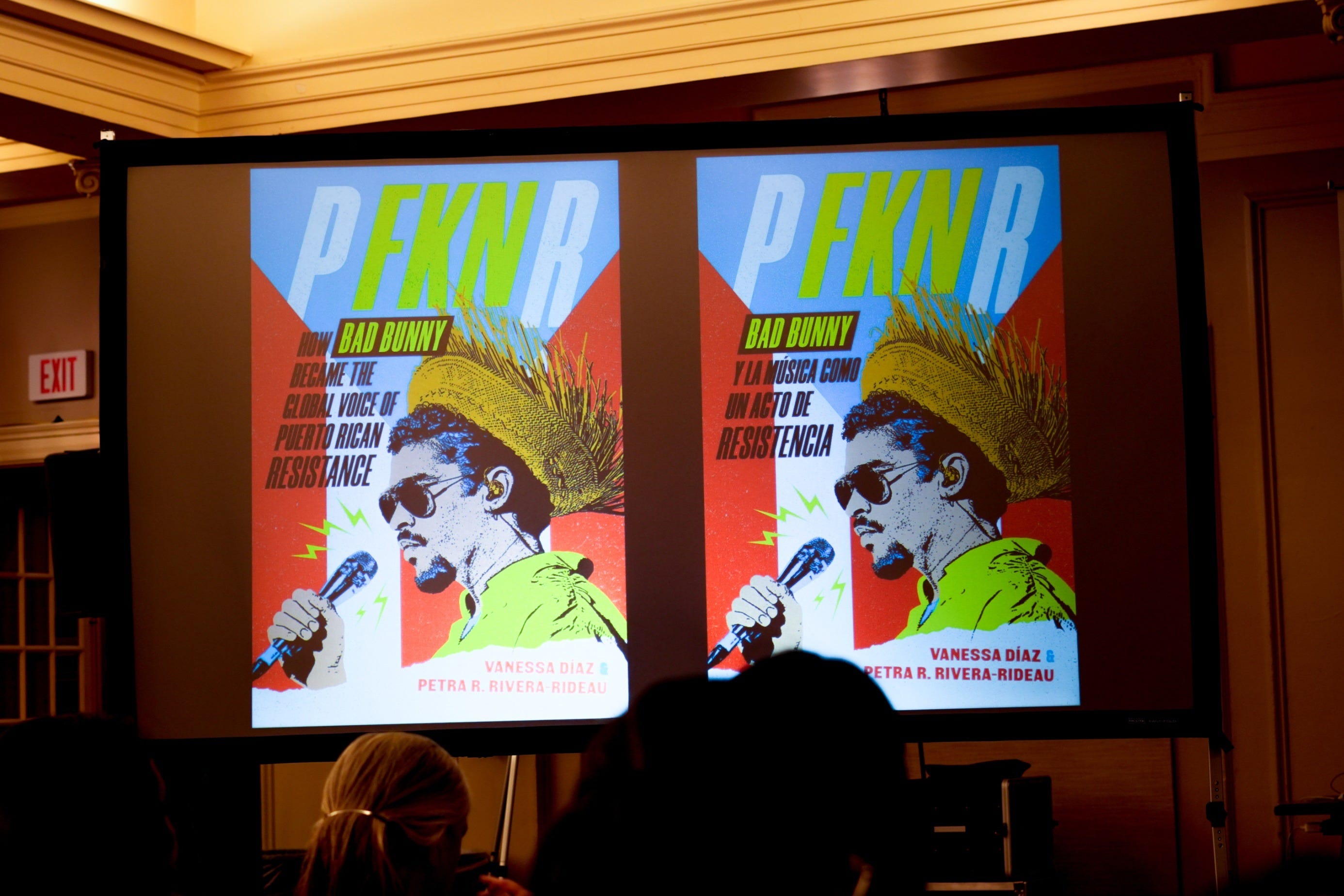
What I experienced in the early 2000s no longer feels like a series of disconnected moments. Books like this one help bring those memories into sharper focus, offering new ways to understand how questions of gender, language, race, and power were already present in the music and the spaces we moved through. It also helps me see how much that time shaped me, in ways I’m still unpacking.
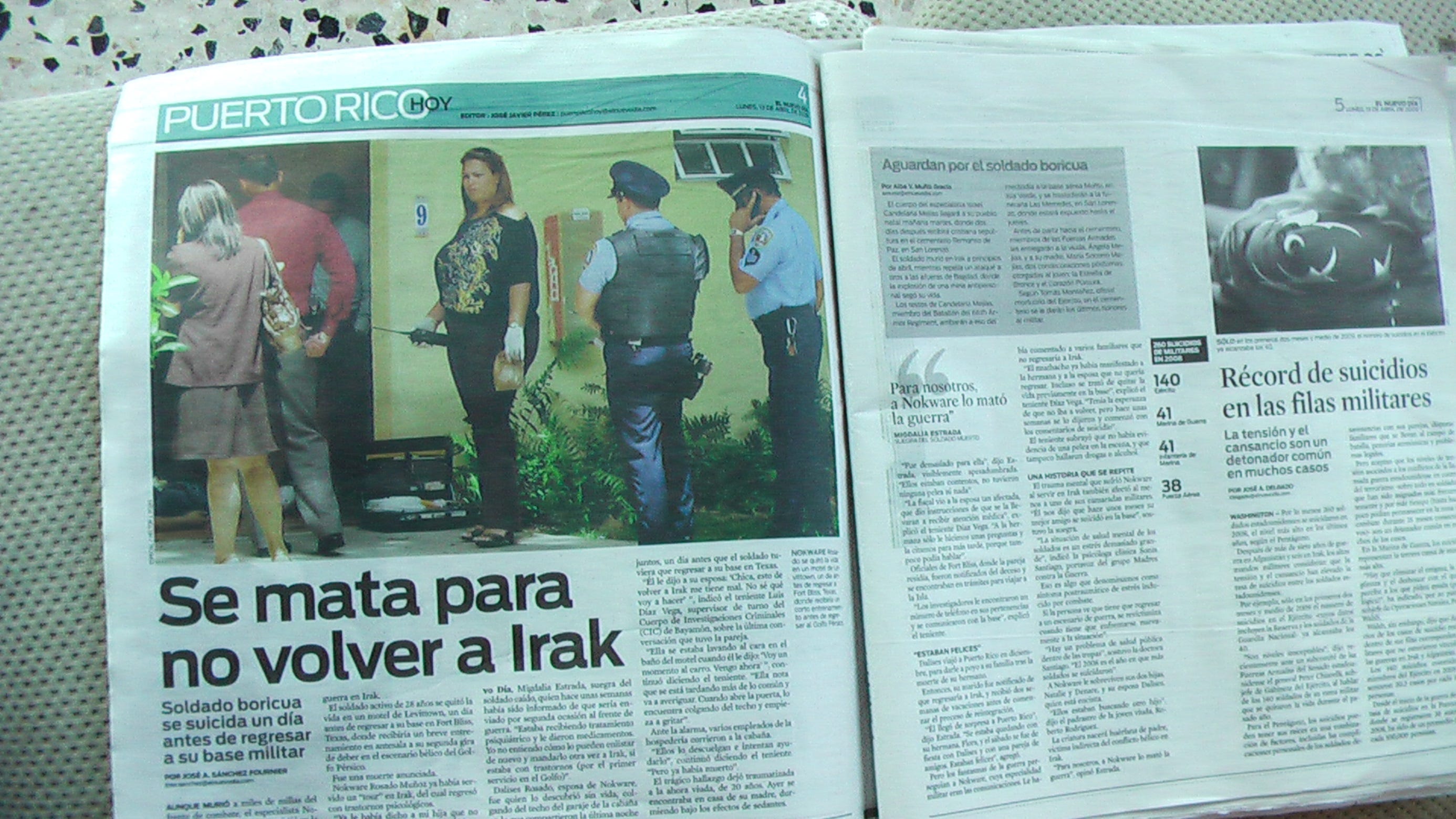
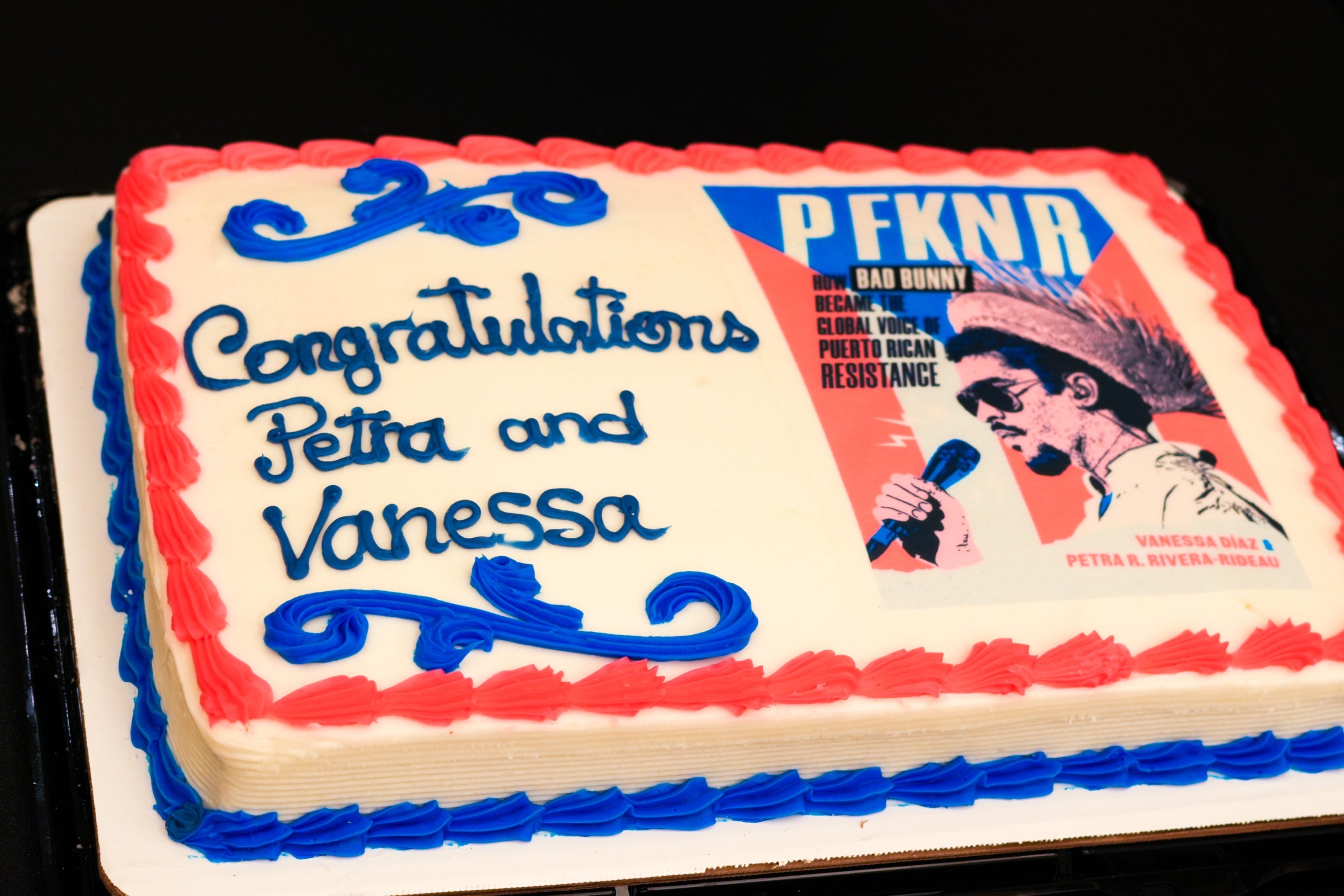
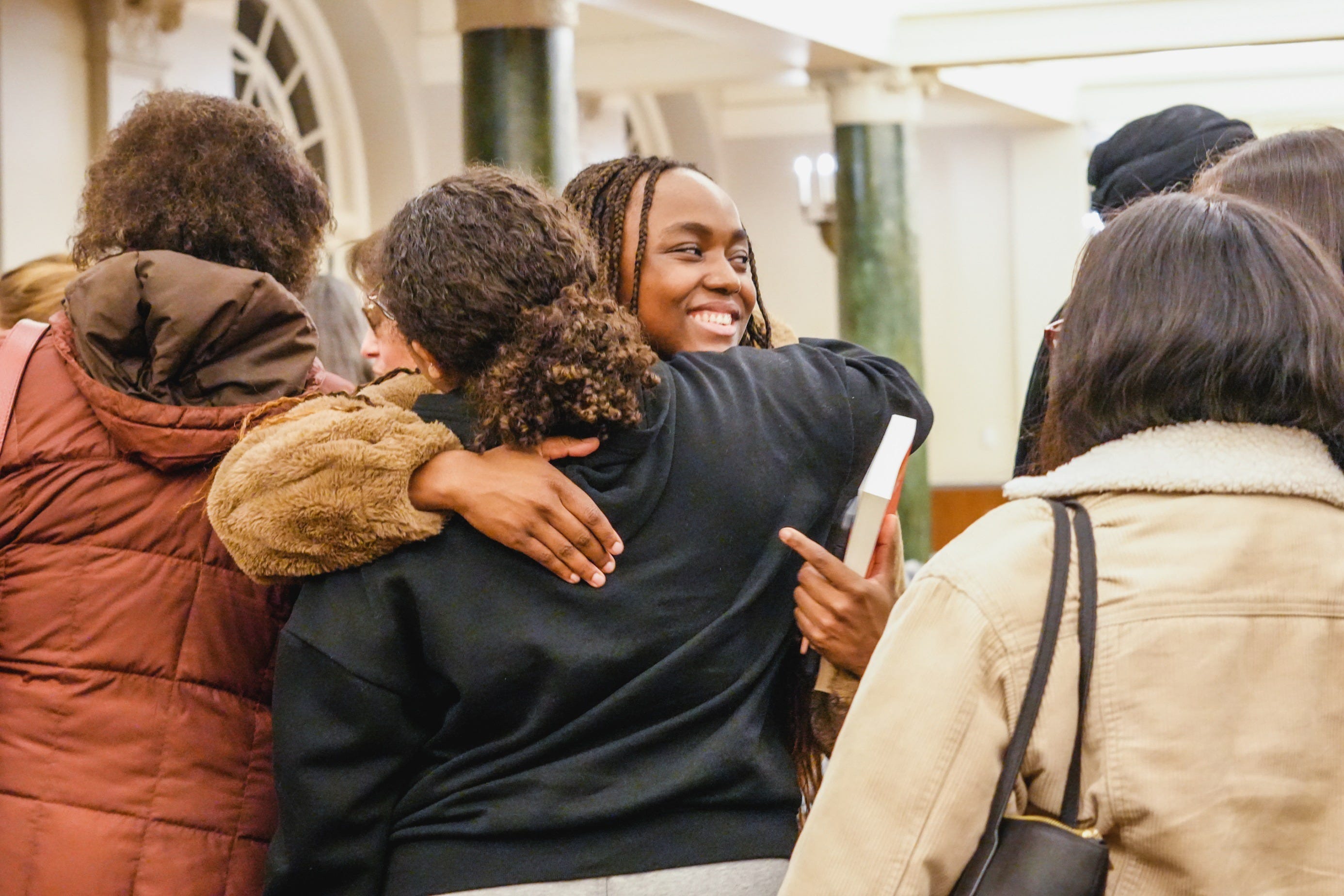
As the book launch came to a close, people lined up for signed copies and slices of a sheet cake printed to look like the book cover. I stayed back for a moment, looking around the room, thinking about how those days in Río Piedras have traveled with me.
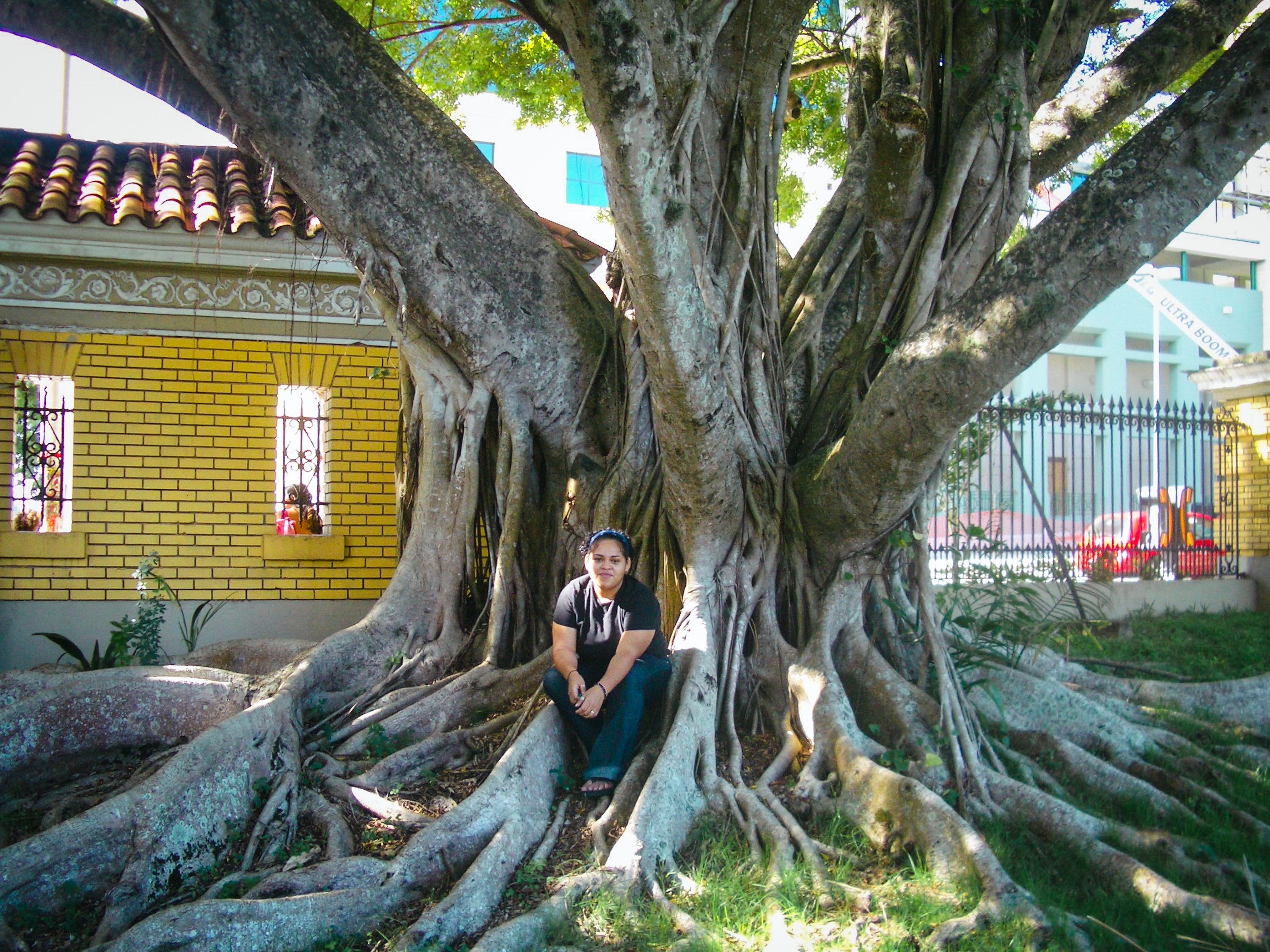
This is the thing about lifelong learning. Lessons don’t arrive all at once. They build over time, across places, through repetition and return. What I felt then, what I’m reading now, what I’m still questioning all belong to the same process. A way of paying closer attention to what has shaped me, and choosing to stay in conversation with it.
“Estamos bien,” dice Benito.
Still here, still listening, still making meaning from memory, language, and sound, learning to name what I’ve lived and to follow where that knowing leads.